2026-10-11 ·
How Hailstorms Damage Roofs in Longmont
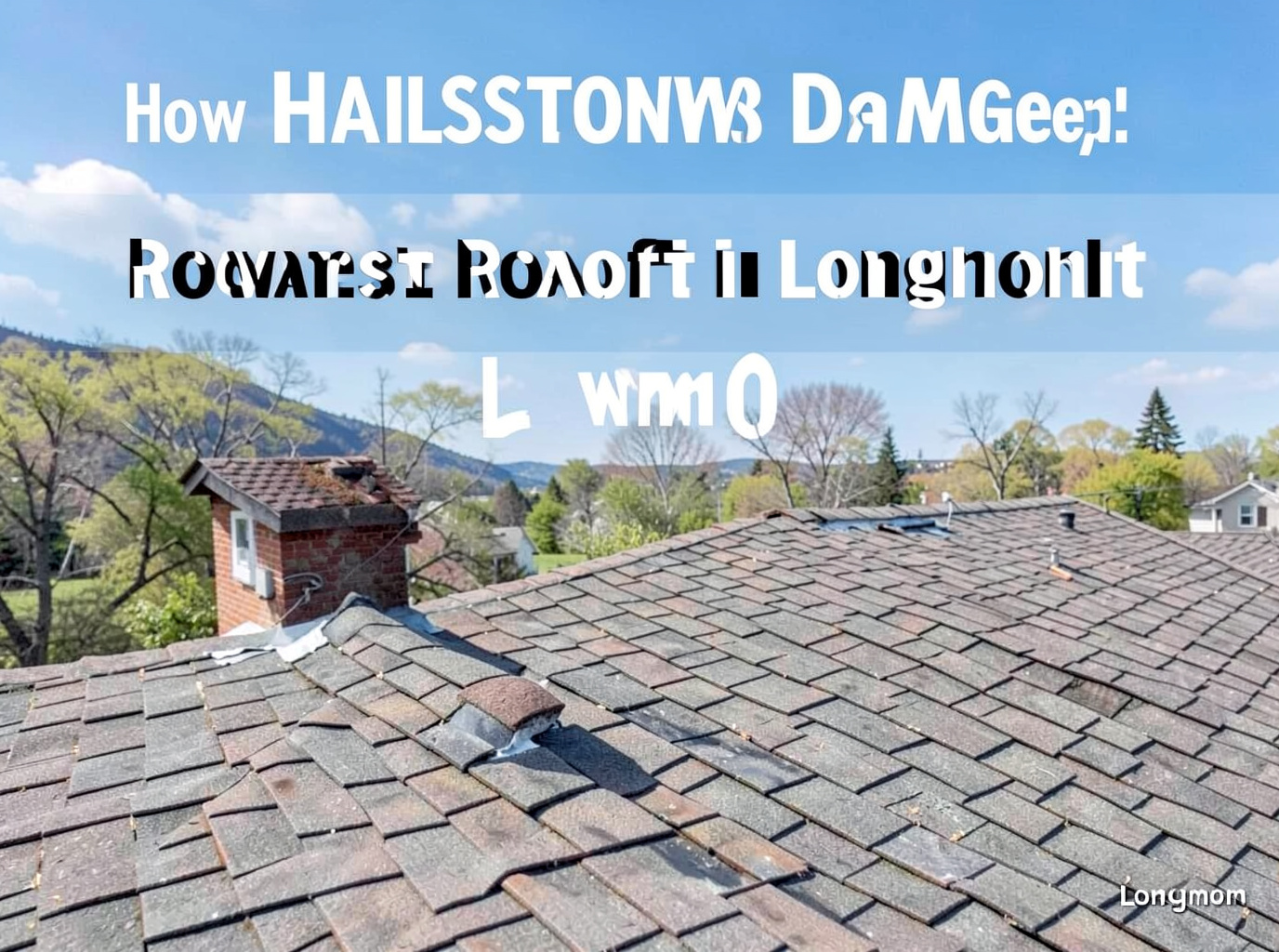
Hailstorms damage roofs in Longmont when stones larger than 1 inch strike at high velocity, denting asphalt shingles, fracturing their surface, and dislodging granules that protect against UV and moisture. This occurs most often in spring and early summer when warm air masses collide with cooler fronts along the Front Range, producing hail that hits older homes in neighborhoods such as Old Town and Downtown Longmont harder due to their 40- to 80-year-old wood or composition roofs.
Hail Size and Impact Velocity in Boulder County
Hail in Longmont typically ranges from pea-sized to golf-ball size during intense cells that track through Boulder County. Stones 1 inch or larger create visible dents in the soft asphalt layers of 3-tab shingles common on homes near Roosevelt Park and Left Hand Creek. Larger hail exceeding 1.5 inches can fracture the fiberglass mat beneath the granules, allowing water to seep into the decking once snow melts or summer rains arrive. The semi-arid climate means roofs experience rapid temperature swings from warm summer days into snowy winters, which widens these micro-fractures over repeated freeze-thaw cycles. Homes in Kensington and Sunset often show concentrated damage on south-facing slopes because prevailing winds during storms drive hail at steeper angles against those exposures.
Effects on Asphalt Shingles Common in Longmont Housing Stock
Most single-family homes built before 1990 in Longmont use 3-tab or architectural asphalt shingles that lose granules after repeated hail strikes. Granule loss exposes the asphalt binder to direct sunlight, causing it to dry and crack within 2 to 4 years following a major storm. In areas like Prospect New Town or near the Longmont Museum, newer laminated shingles hold up better initially but still develop bruising where the impact compresses the backing. Once the surface is compromised, ice dams that form along eaves during snowy winters push water under lifted tabs, turning small hail punctures into active leaks. Wind-driven rain common in Boulder County storms further exploits these openings on roofs that already lost their protective coating.
How Local Terrain and Weather Patterns Worsen Damage
The flat to gently rolling terrain around Longmont allows hail cells to maintain intensity as they move from Loveland toward Boulder, dropping concentrated loads on roofs without natural windbreaks. Semi-arid summers dry out shingles between storms, making them more brittle when hail arrives. After a hail event, subsequent snow accumulation in winter adds weight that can widen existing cracks on dented sections. Properties along Upper Clover Basin or Garden Acres often experience pooling around penetrations because hail-damaged flashing no longer seals properly. These conditions differ from purely arid zones because the combination of hail, snow load, and occasional heavy spring rain accelerates deterioration from initial impact to active water intrusion.
Readers noticing granule piles in gutters after storms should compare damage patterns with normal wear by reviewing Hail Damage vs. Normal Wear: How to Tell the Difference. Insurance documentation often begins with photos of bruised shingles and displaced granules before filing claims after a storm. Can You Claim a Roof Leak on Insurance After a Storm? (Adjuster Tips) outlines the steps Longmont homeowners follow when hail precedes a leak. For targeted assessment on hail-affected roofs, see the details at Hail Damage Roof Repair.